
LEARN MORE ABOUT US
The United Way of Indiana County has been active in our community for over 90 years; and although a lot has changed over that time, the one thing that hasn't is the vision for a community where people thrive, live healthy lives, and everyone has the opportunity to reach their full potential. The organization has evolved from collecting shoes, clothing, and food to mobilizing community resources to help strengthen and improve the lives of our neighbors. The United Way's mission continues to be a beacon of hope for those in need; serving individuals, families, and children by supporting the building blocks to a healthier life and stronger community.
To learn more about our work, visit here.
INVEST IN SOLUTIONS TO ADVANCE OUR COMMUNITY!
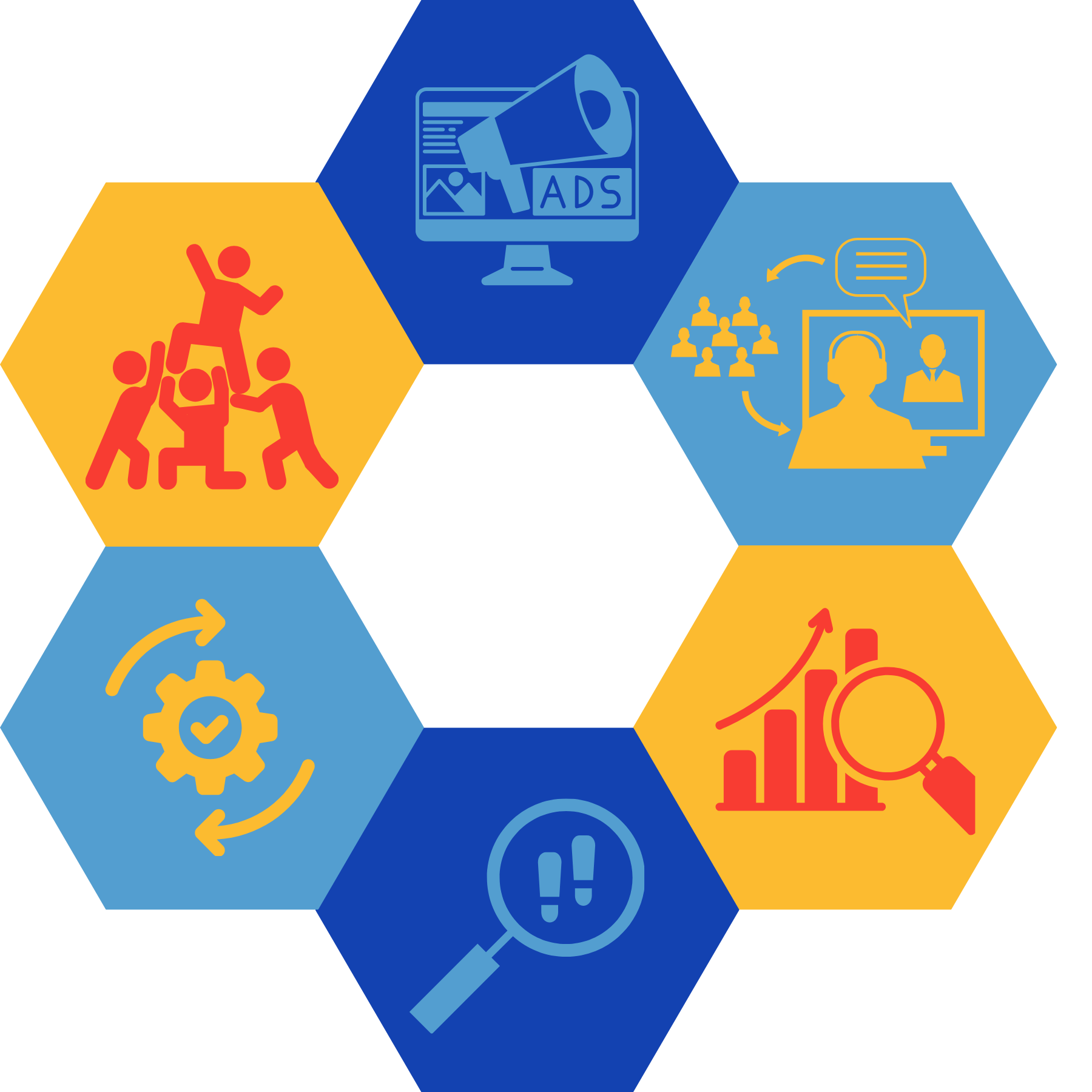
STRATEGIC PLANNING
- Listen to and Engage the Community in Creative Solutions and Shared Ownership
- Create an equity-focused Partner Organization framework to ensure all strategies are promoted
- Engage community partners and residents in the design and refinement of impact strategies to ensure relevance and shared ownership
- Review and adjust strategies annually to stay responsive to emerging community needs and changing conditions
-
Establish Measurable Impact Strategies That Reflect Community Needs and Drive Equitable Outcomes
-
Strengthen trust and transparency by ensuring that community input directly informs decision-making and resource allocation
-
Empower residents to shape initiatives actively, fostering a sense of ownership and shared responsibility for outcomes
-
Build authentic, two-way communication channels that ensure all community voices, especially those of underrepresented groups, are heard and valued

- Communicate Impact Results to Demonstrate Value and Drive Engagement
- Clearly Communicate the outcomes of funded programs and initiatives to demonstrate United Way’s role in strengthening the community
- Highlight Stories of impact that put a human face on data and connect outcomes
- Use Communication Strategies that inspire greater community engagement, volunteerism, and financial support
- Engage Staff and Volunteers in Fundraising Strategies
- Showcase both data and personal stories to illustrate how investments drive meaningful change across diverse populations.
- Increase Public Awareness of United Way’s role as a leader and convener in addressing local needs
- Build stronger donor and partner relationships by connecting contributions to tangible community outcomes
- Inspire continued and increased support by donors, volunteers, and advocates through clear and compelling communication of impact
The mission of the United Way is to meet critical needs and improve the quality of life throughout Indiana County by inspiring and uniting its residents.
United Way of Indiana County is a local non-profit organization whose goals are to bring resources into the Indiana County community that will help to strengthen it, and to ensure that those resources are used in such a way that the greatest impact can be achieved. In order for United Way to maintain that kind of track record, it relies on the solid spirit of volunteerism that thrives in Indiana County, and on the generous donations it receives.
5 PILLARS OF COMMUNITY IMPACT
DATA ANALYZED BY:
Housing Instability & Homelessness
- Rising rent, stagnant wages, and high utility costs.
- Lack of resources for 16–17-year-olds.
- Lack of beds in care and group homes.
- Barriers to entering housing.
- Anticipated county-wide housing crisis.
- High demand for emergency shelter.
Food Insecurity
- Escalating RAPIDLY.
- Food requests are up 500% in three days, according to one report.
- Lack of SNAP and EFSP funds is increasing reliance on food banks.
- Rising grocery costs.
- Emergency food programs are making the biggest impact, but are strained.
Transportation Barriers
- This is a major barrier to:
- Employment
- Medical appointments
- Food access
- School and after-school programs
- Services for aging adults and rural communities.
- Specific issues include:
- Limited bus routes
- Need for bus passes or gas cards
- Interest in micro-transit models
- Transportation deserts in rural areas
Mental & Behavioral Health Needs
- Lack of services for youth, juveniles, and families.
- Increased substance use.
- Trauma-informed care gaps; need for continuity across agencies.
- Loneliness, depression, anxiety, and social isolation - especially post-pandemic.
- Shortage of qualified mental health workers.
- Need for wraparound supports for children with ADHD/autism.
Child Care & Youth Support
- Lack of affordable childcare and before-school care.
- Loss of funding for toddler and youth programs.
- Need for school supplies, hygiene products, and basic needs for homeless youth.
- Online safety concerns and the need for digital literacy for parents.
- After-school programs are impactful, but threatened by changes in federal funding.
Summarization of Needs
Across all agencies, the most urgent needs are intensified by:
Rural Geography
Workforce Shortages
Federal/State Funding Instability
Rising Cost of Living
Click here to view Third Party Strategy and Impact Analysis
Jurisdiction: Indiana County Number of Partner Agencies: 15 Number of Funded Programs: 40
FOLLOW US AND STAY UP TO DATE WITH UWIC NEWS AND EVENTS!